Building Local Energy Storage for a More Reliable Grid
Adaptive Infrastructure Partners (AIP) develops and operates standardized, distribution-connected battery storage to meet the evolving reliability needs of utility partners.
Approach
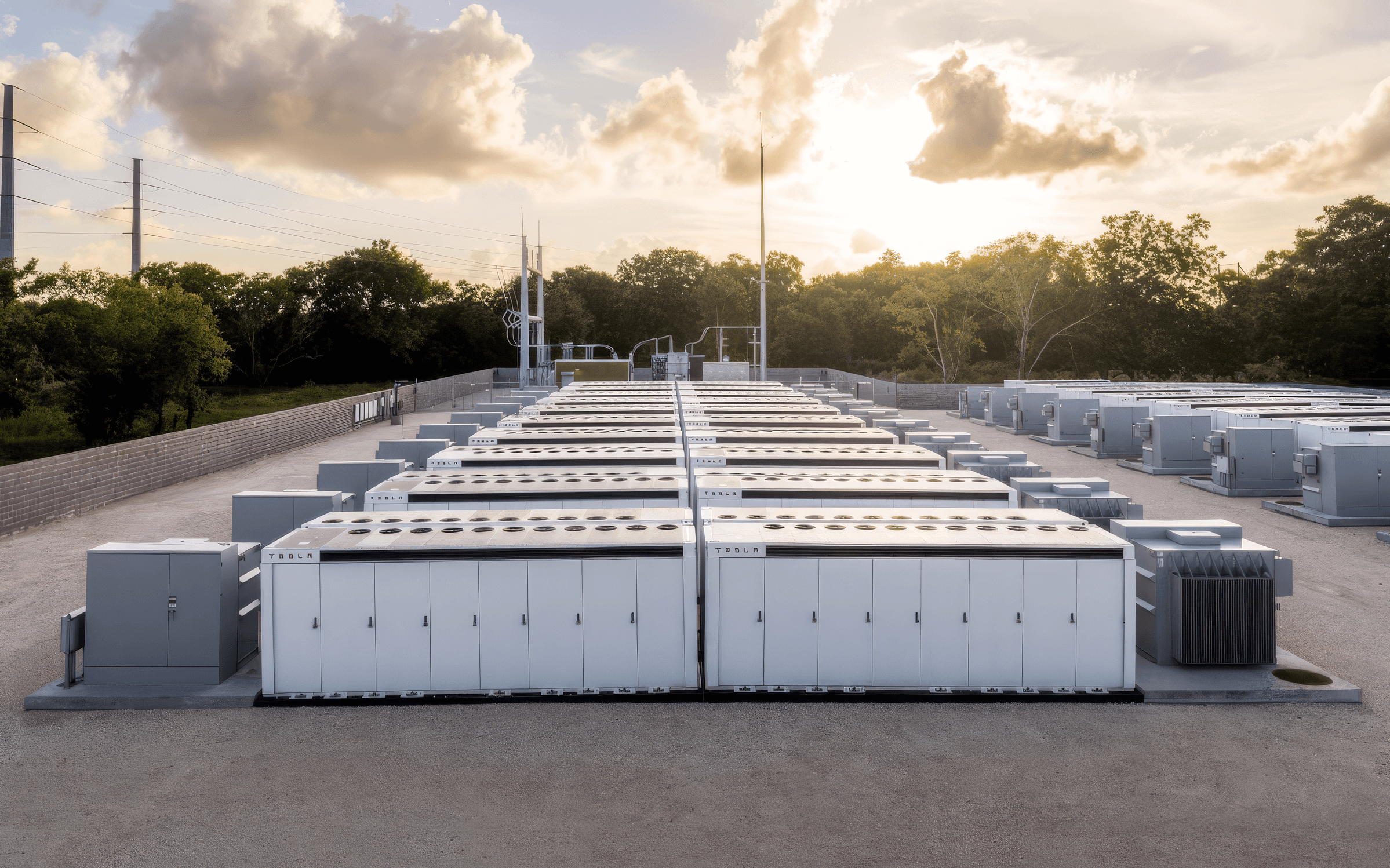
Our Strategic Approach
We modernize distribution networks by delivering high-readiness infrastructure that provides immediate reliability to congested nodes. By providing deterministic, utility-dispatchable relief at vulnerable planning nodes to maintain substation loading within safe operational limits, we defer the need for costly traditional upgrades.
Our approach transforms localized distribution challenges into credible, financeable, and operationally flexible alternatives to "wires-only" investments.
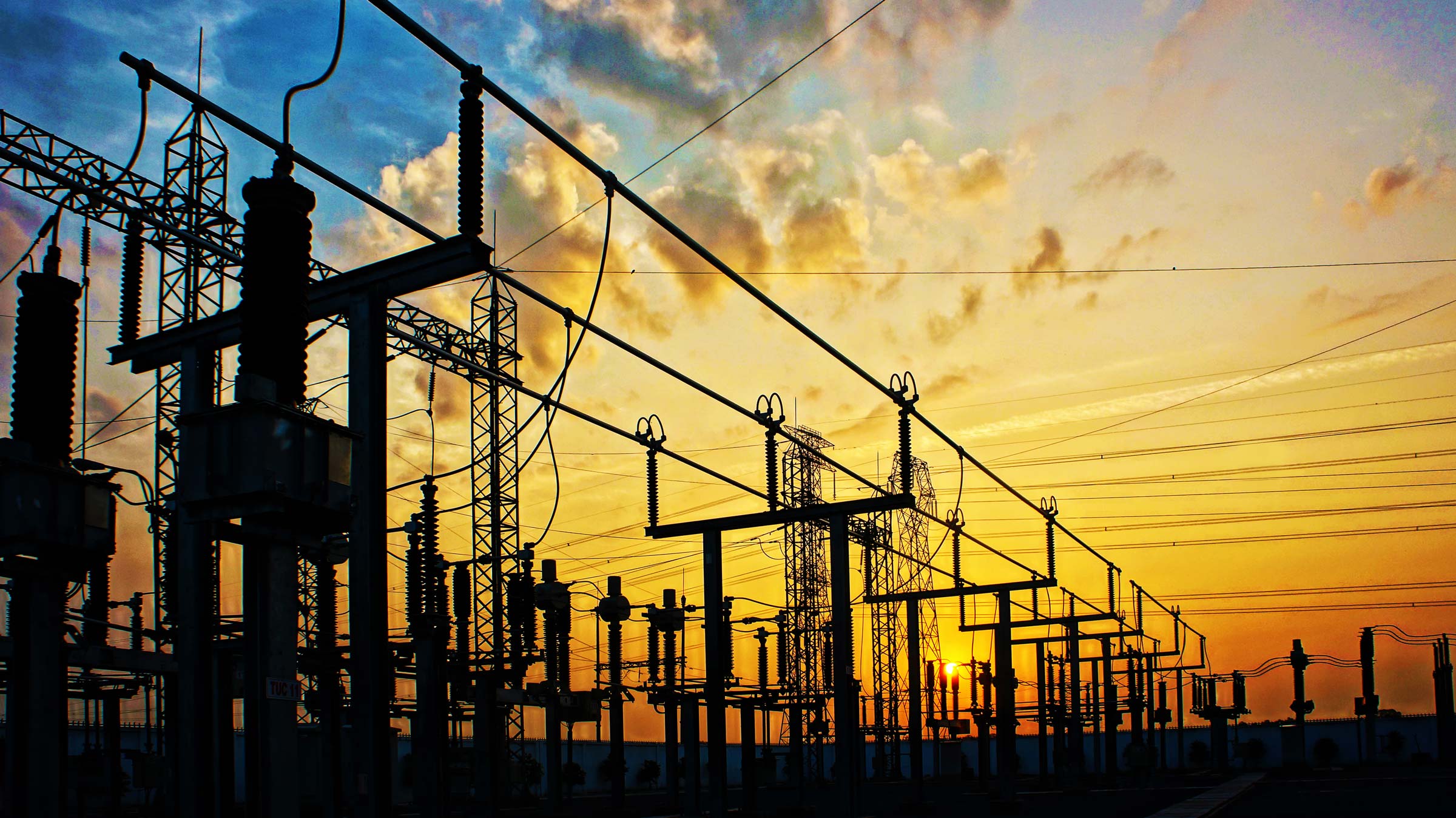
Infrastructure Optimization
We focus on the 5 MW – 10 MW scale to target specific distribution challenges. This allows utilities to manage peak load and increase resiliency without the multi-year timelines and significant capital intensity of new substation construction.
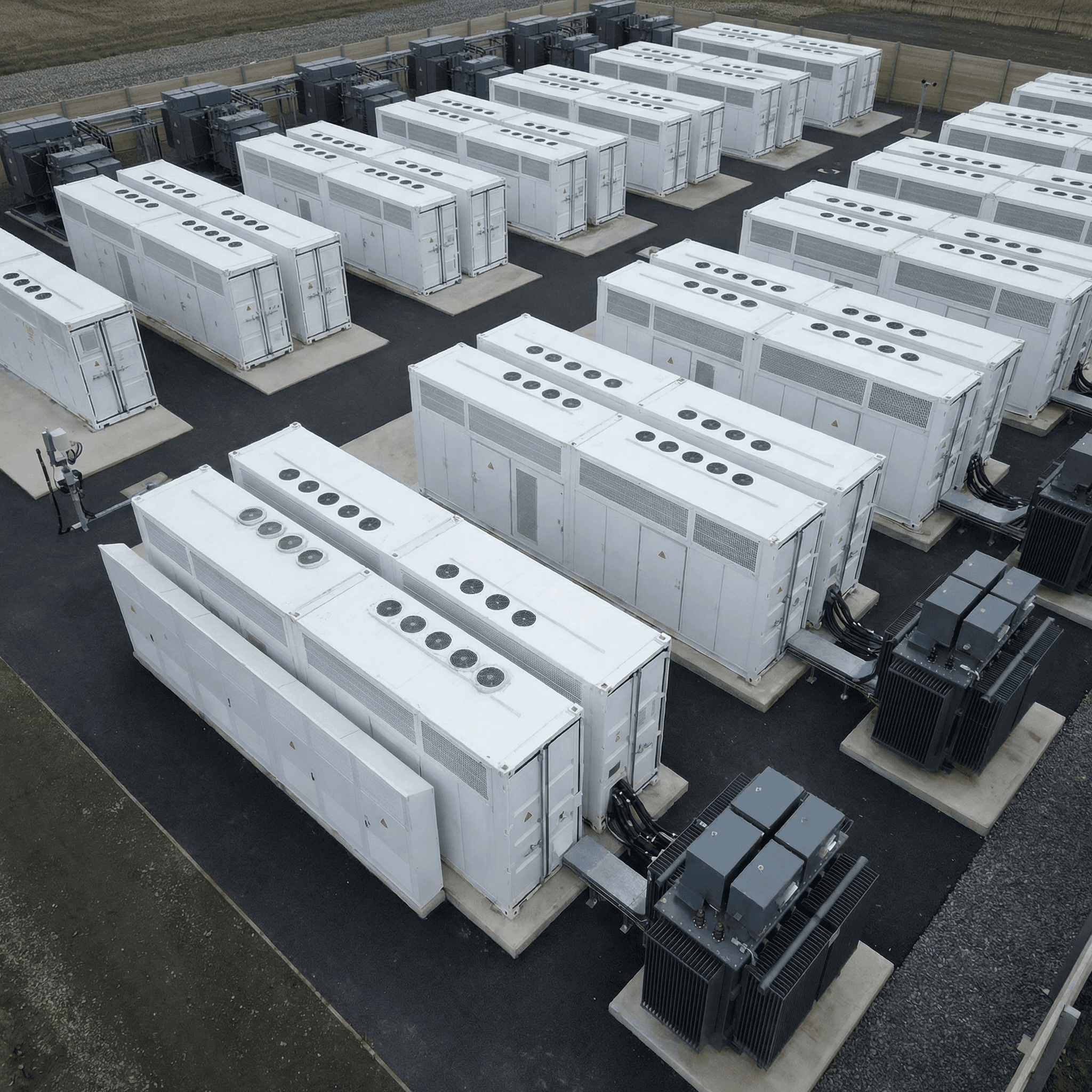
Utility-Integrated Partnership
Our projects are designed to function as seamless extensions of the existing grid. We prioritize regulatory alignment and long-term operational stability, utilizing advanced Energy Management Systems (EMS) to ensure our assets provide dependable support for decades.
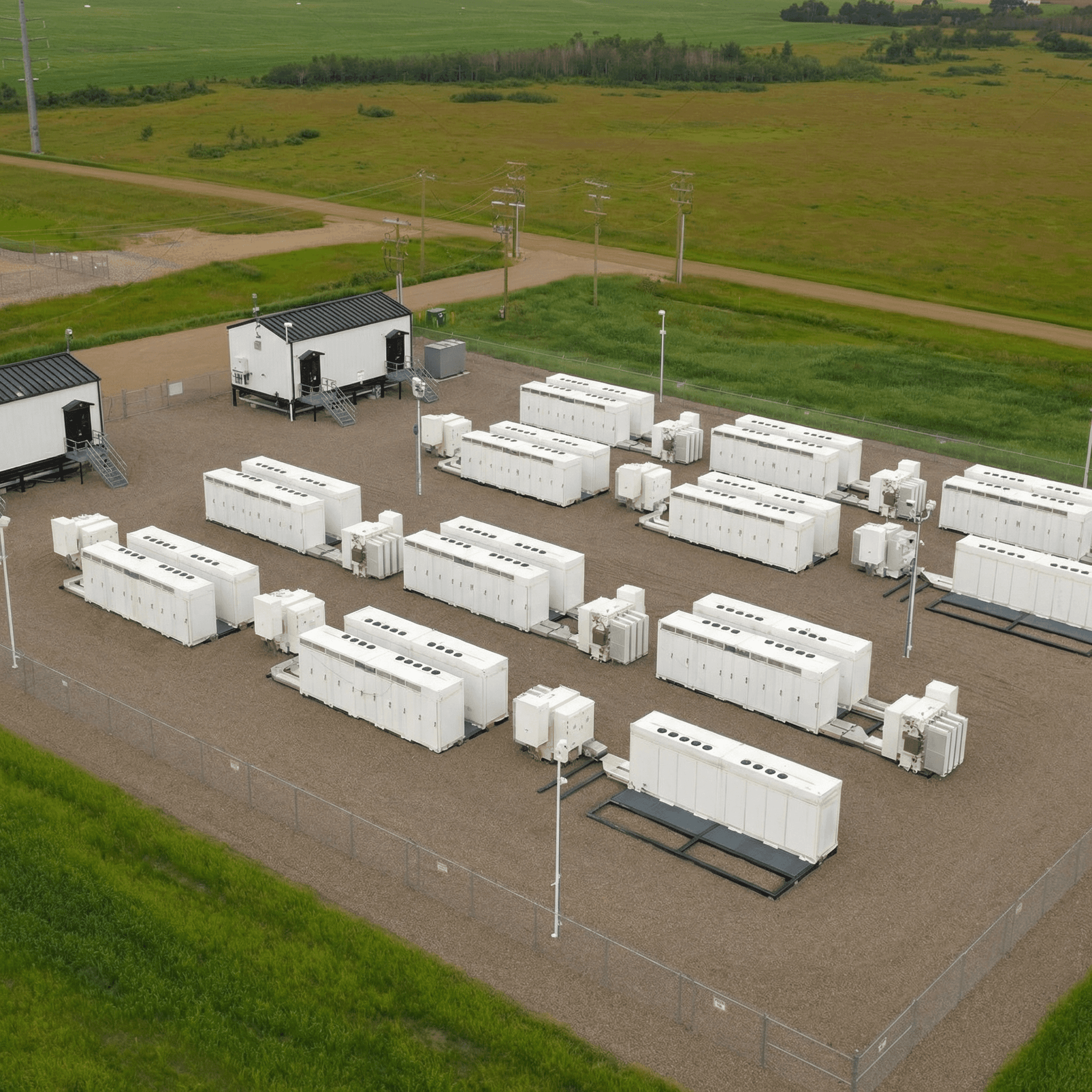
Standardized, Safety-First Architecture
By utilizing a replicable high-efficiency design and safety-certified technology, we minimize technical complexity and ensure predictable deployment. Our safety protocols extend beyond hardware compliance to include comprehensive emergency response planning, site-specific thermal event protocols, and hands-on coordination with local fire departments and first responders prior to system energization.
Approach
Our Strategic Approach
We modernize distribution networks by delivering high-readiness infrastructure that provides immediate reliability to congested nodes. By providing deterministic, utility-dispatchable relief at vulnerable planning nodes to maintain substation loading within safe operational limits, we defer the need for costly traditional upgrades.
Our approach transforms localized distribution challenges into credible, financeable, and operationally flexible alternatives to "wires-only" investments.
Infrastructure Optimization
We focus on the 5 MW – 10 MW scale to target specific distribution challenges. This allows utilities to manage peak load and increase resiliency without the multi-year timelines and significant capital intensity of new substation construction.
Utility-Integrated Partnership
Our projects are designed to function as seamless extensions of the existing grid. We prioritize regulatory alignment and long-term operational stability, utilizing advanced Energy Management Systems (EMS) to ensure our assets provide dependable support for decades.
Standardized, Safety-First Architecture
By utilizing a replicable high-efficiency design and safety-certified technology, we minimize technical complexity and ensure predictable deployment. Our safety protocols extend beyond hardware compliance to include comprehensive emergency response planning, site-specific thermal event protocols, and hands-on coordination with local fire departments and first responders prior to system energization.
Approach
Our Strategic Approach
We modernize distribution networks by delivering high-readiness infrastructure that provides immediate reliability to congested nodes. By providing deterministic, utility-dispatchable relief at vulnerable planning nodes to maintain substation loading within safe operational limits, we defer the need for costly traditional upgrades.
Our approach transforms localized distribution challenges into credible, financeable, and operationally flexible alternatives to "wires-only" investments.
Infrastructure Optimization
We focus on the 5 MW – 10 MW scale to target specific distribution challenges. This allows utilities to manage peak load and increase resiliency without the multi-year timelines and significant capital intensity of new substation construction.
Utility-Integrated Partnership
Our projects are designed to function as seamless extensions of the existing grid. We prioritize regulatory alignment and long-term operational stability, utilizing advanced Energy Management Systems (EMS) to ensure our assets provide dependable support for decades.
Standardized, Safety-First Architecture
By utilizing a replicable high-efficiency design and safety-certified technology, we minimize technical complexity and ensure predictable deployment. Our safety protocols extend beyond hardware compliance to include comprehensive emergency response planning, site-specific thermal event protocols, and hands-on coordination with local fire departments and first responders prior to system energization.
Value
Value to Cities & Communities
Through a community-first model, we prioritize low-impact siting and long-term stewardship to ensure our projects integrate seamlessly while delivering lasting value to our host cities.
Minimal Disruption
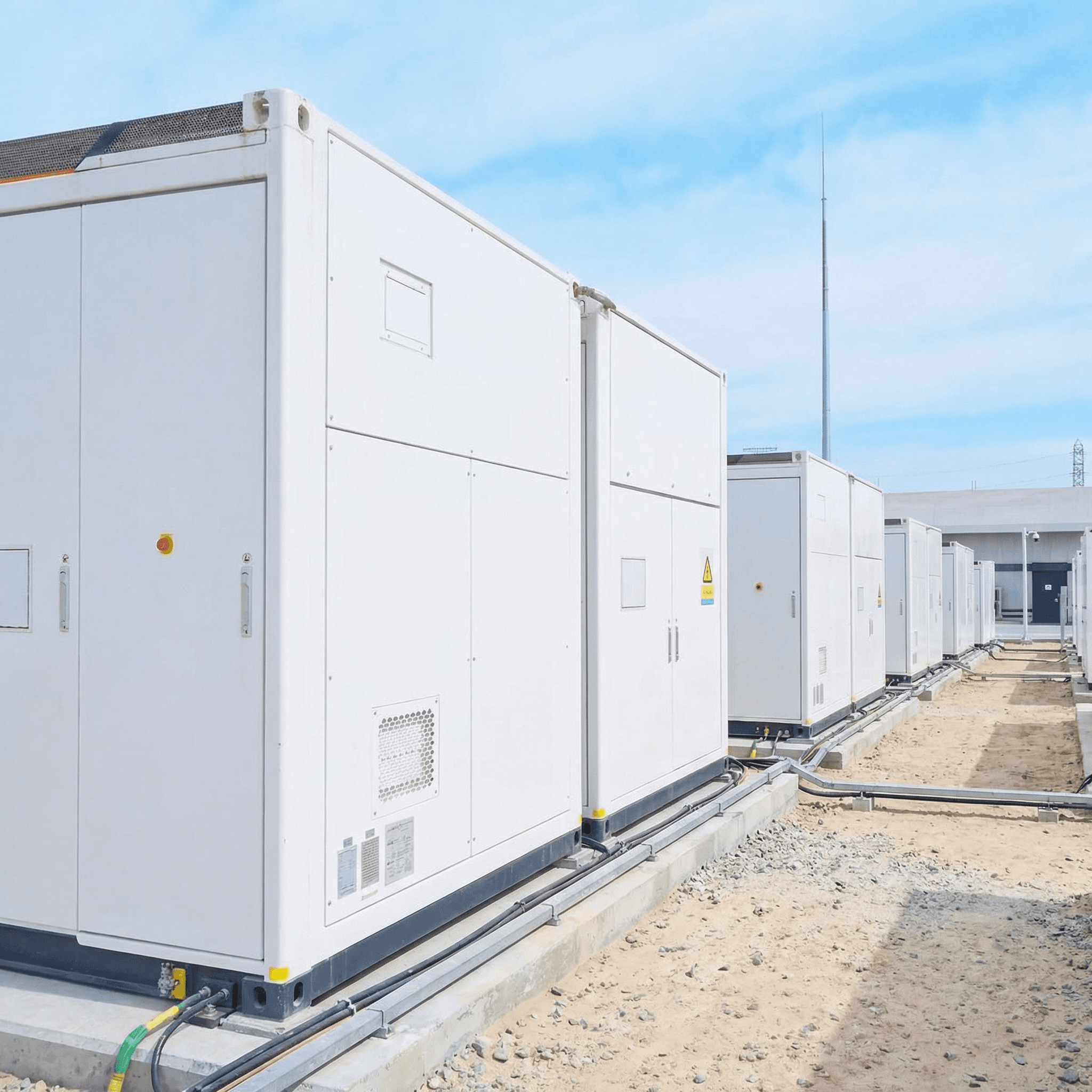
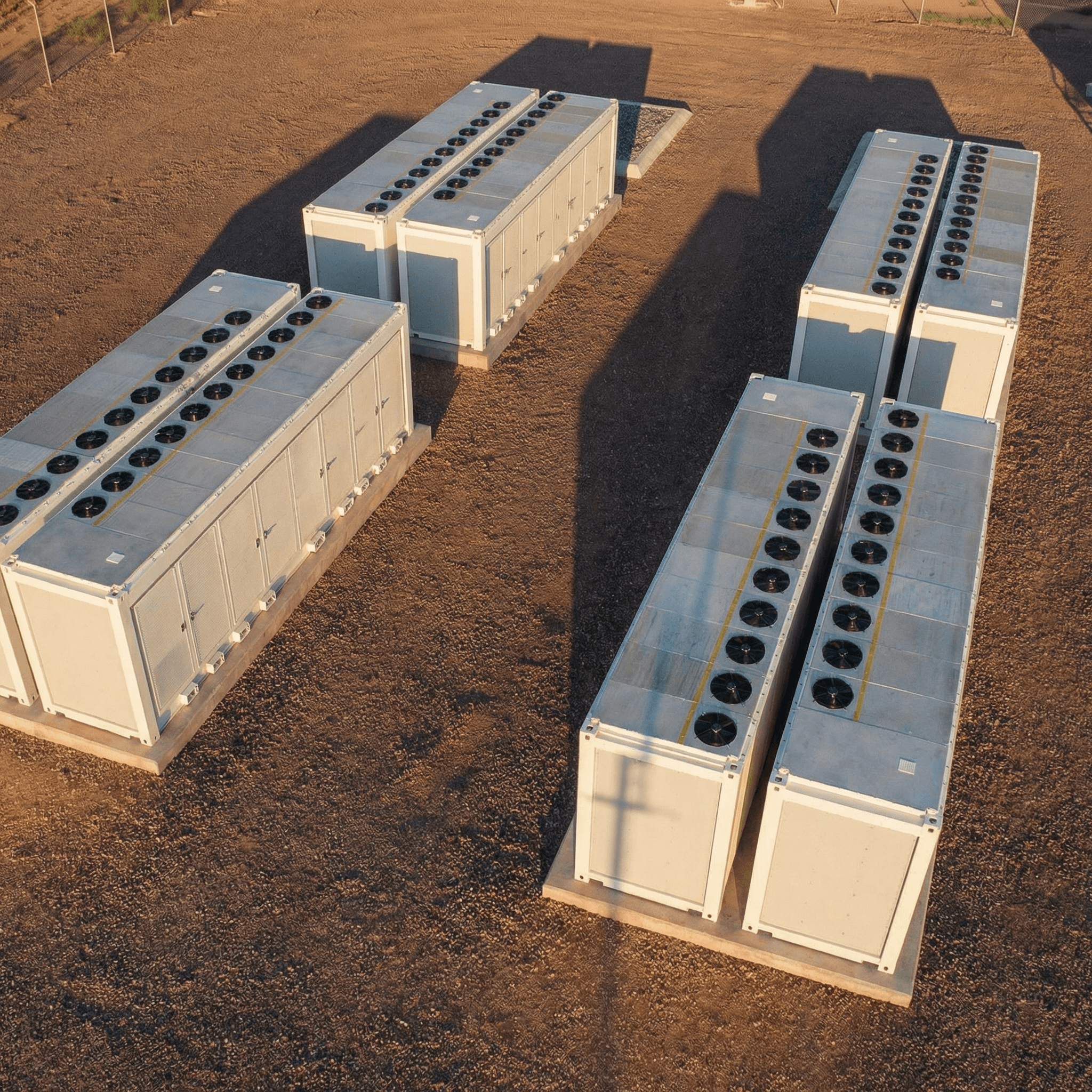
Unlike traditional substation builds, our systems avoid years of heavy construction, roadwork, and trenching. The modular nature of our assets allows for a significantly smaller physical footprint and shorter onsite activity.
Local Reliability
We strengthen the grid exactly where it’s needed, reducing flickers and interruptions for the homes and businesses closest to the site. This localized support prevents overloads at the substation level during extreme weather or peak demand.
Supports Clean Goals
By storing clean electricity, we reduce reliance on fossil-fuel “peaker” plants and increase the local capacity for future rooftop solar. Our projects act as a bridge to a decarbonized distribution system.
Value
Value to Cities & Communities
Through a community-first model, we prioritize low-impact siting and long-term stewardship to ensure our projects integrate seamlessly while delivering lasting value to our host cities.
Minimal Disruption
Unlike traditional substation builds, our systems avoid years of heavy construction, roadwork, and trenching. The modular nature of our assets allows for a significantly smaller physical footprint and shorter onsite activity.
Local Reliability
We strengthen the grid exactly where it’s needed, reducing flickers and interruptions for the homes and businesses closest to the site. This localized support prevents overloads at the substation level during extreme weather or peak demand.
Supports Clean Goals
By storing clean electricity, we reduce reliance on fossil-fuel “peaker” plants and increase the local capacity for future rooftop solar. Our projects act as a bridge to a decarbonized distribution system.
Value
Value to Cities & Communities
Through a community-first model, we prioritize low-impact siting and long-term stewardship to ensure our projects integrate seamlessly while delivering lasting value to our host cities.
Minimal Disruption
Unlike traditional substation builds, our systems avoid years of heavy construction, roadwork, and trenching. The modular nature of our assets allows for a significantly smaller physical footprint and shorter onsite activity.
Local Reliability
We strengthen the grid exactly where it’s needed, reducing flickers and interruptions for the homes and businesses closest to the site. This localized support prevents overloads at the substation level during extreme weather or peak demand.
Supports Clean Goals
By storing clean electricity, we reduce reliance on fossil-fuel “peaker” plants and increase the local capacity for future rooftop solar. Our projects act as a bridge to a decarbonized distribution system.
Featured Project
New York State BESS
Project Name
New York State BESS
Status
Utility NWA RFP Awarded; COD target Q4 2026
Specs
4.5 MW / 15.0 MWh Lithium-Ion Storage
Impact
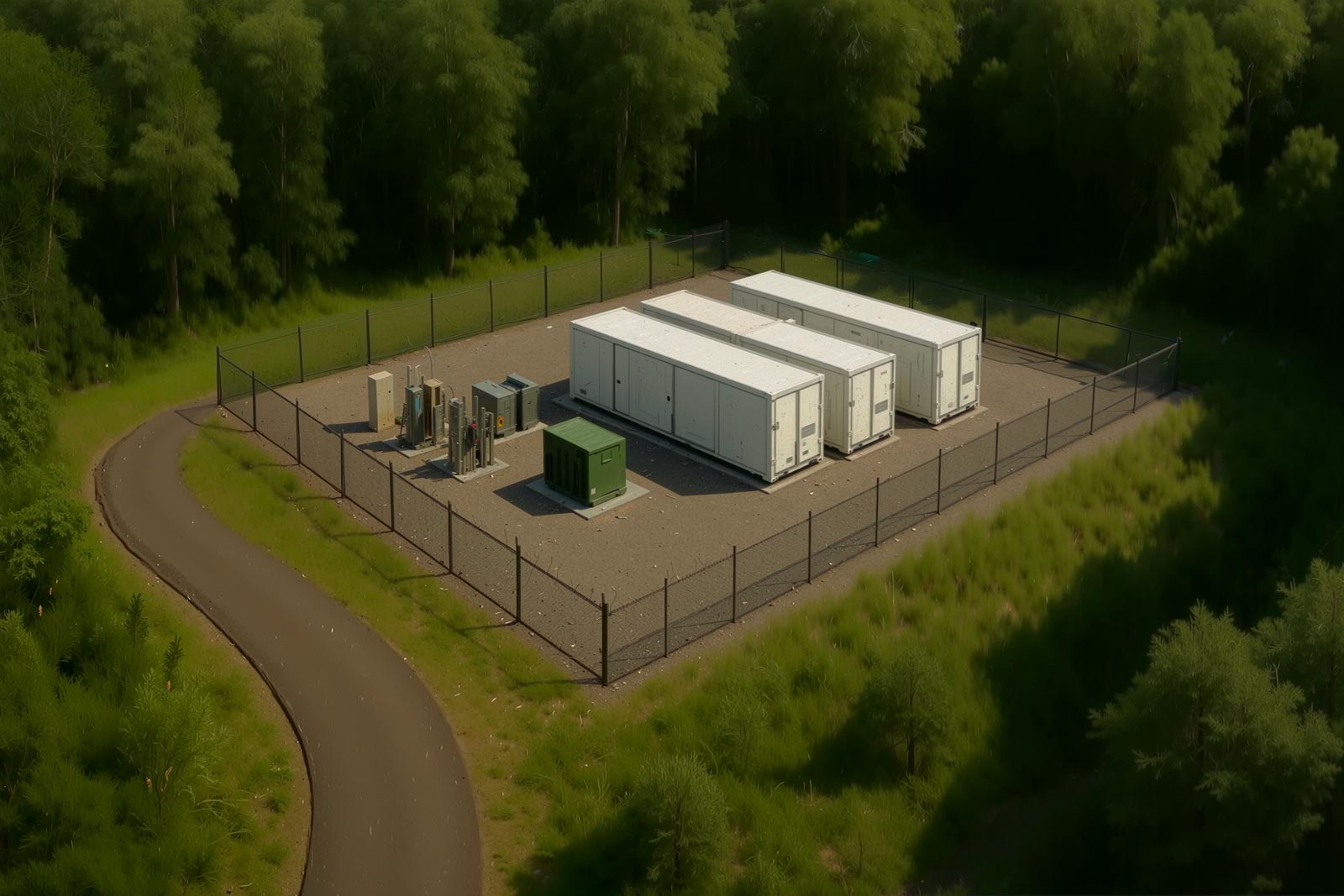
Relieves local grid congestion caused by rapid residential growth and solar expansion. This asset defers a multi-million dollar substation upgrade while providing 15 MWh of dedicated energy reserves to the surrounding neighborhood.
Community
Highlight
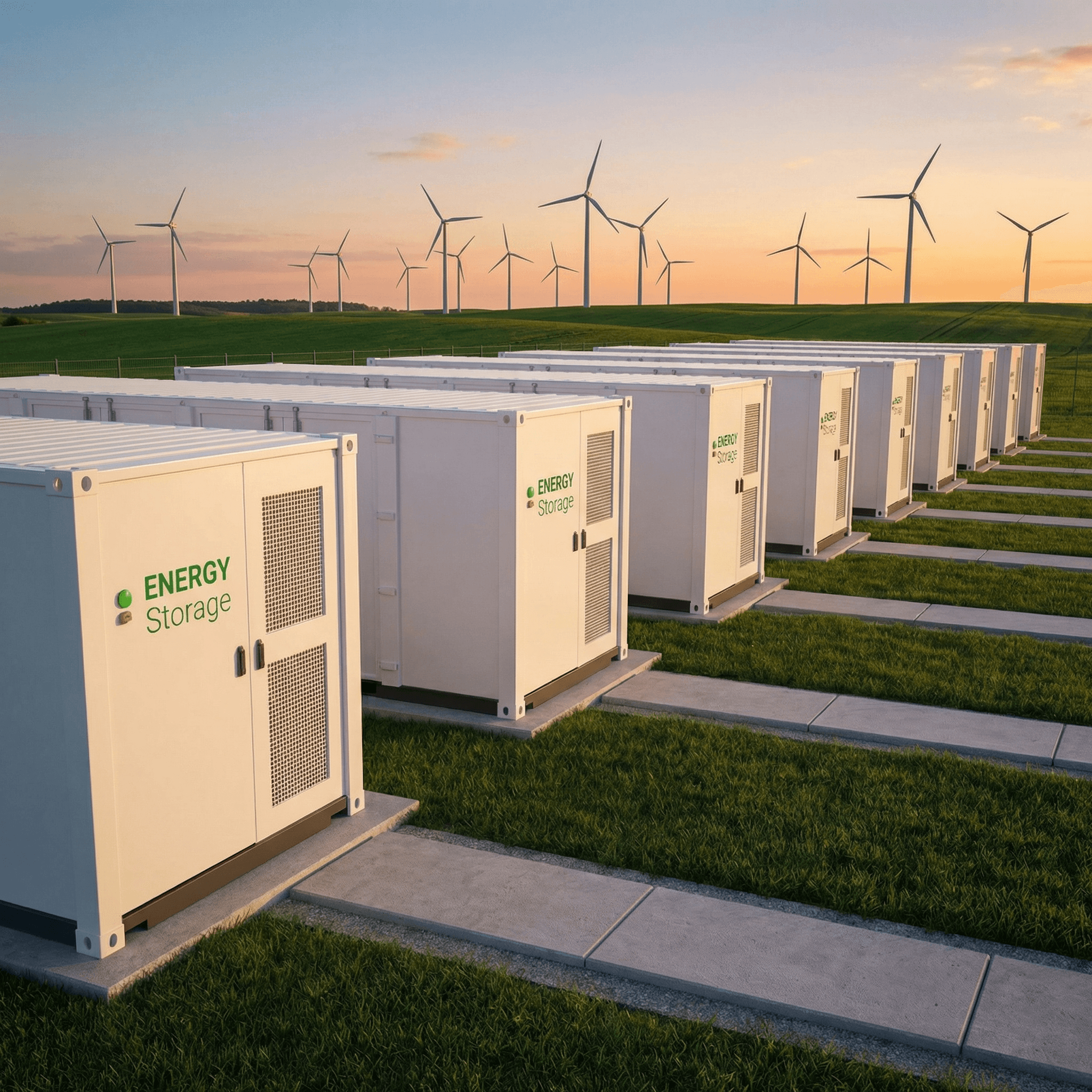
The New York State BESS project is designed to be quiet and visually discreet, utilizing natural landscaping to blend into the surrounding area while providing a direct reliability boost to downtown and local hospital.
Featured Project
New York State BESS
Project Name
New York State BESS
Status
Utility NWA RFP Awarded; COD target Q4 2026
Specs
4.5 MW / 15.0 MWh Lithium-Ion Storage
Impact
Relieves local grid congestion caused by rapid residential growth and solar expansion. This asset defers a multi-million dollar substation upgrade while providing 15 MWh of dedicated energy reserves to the surrounding neighborhood.
Community
Highlight
The New York State BESS project is designed to be quiet and visually discreet, utilizing natural landscaping to blend into the surrounding area while providing a direct reliability boost to downtown and local hospital.
Featured Project
New York State BESS
Project Name
New York State BESS
Status
Utility NWA RFP Awarded; COD target Q4 2026
Specs
4.5 MW / 15.0 MWh Lithium-Ion Storage
Impact
Relieves local grid congestion caused by rapid residential growth and solar expansion. This asset defers a multi-million dollar substation upgrade while providing 15 MWh of dedicated energy reserves to the surrounding neighborhood.
Community
Highlight
The New York State BESS project is designed to be quiet and visually discreet, utilizing natural landscaping to blend into the surrounding area while providing a direct reliability boost to downtown and local hospital.
Pipeline
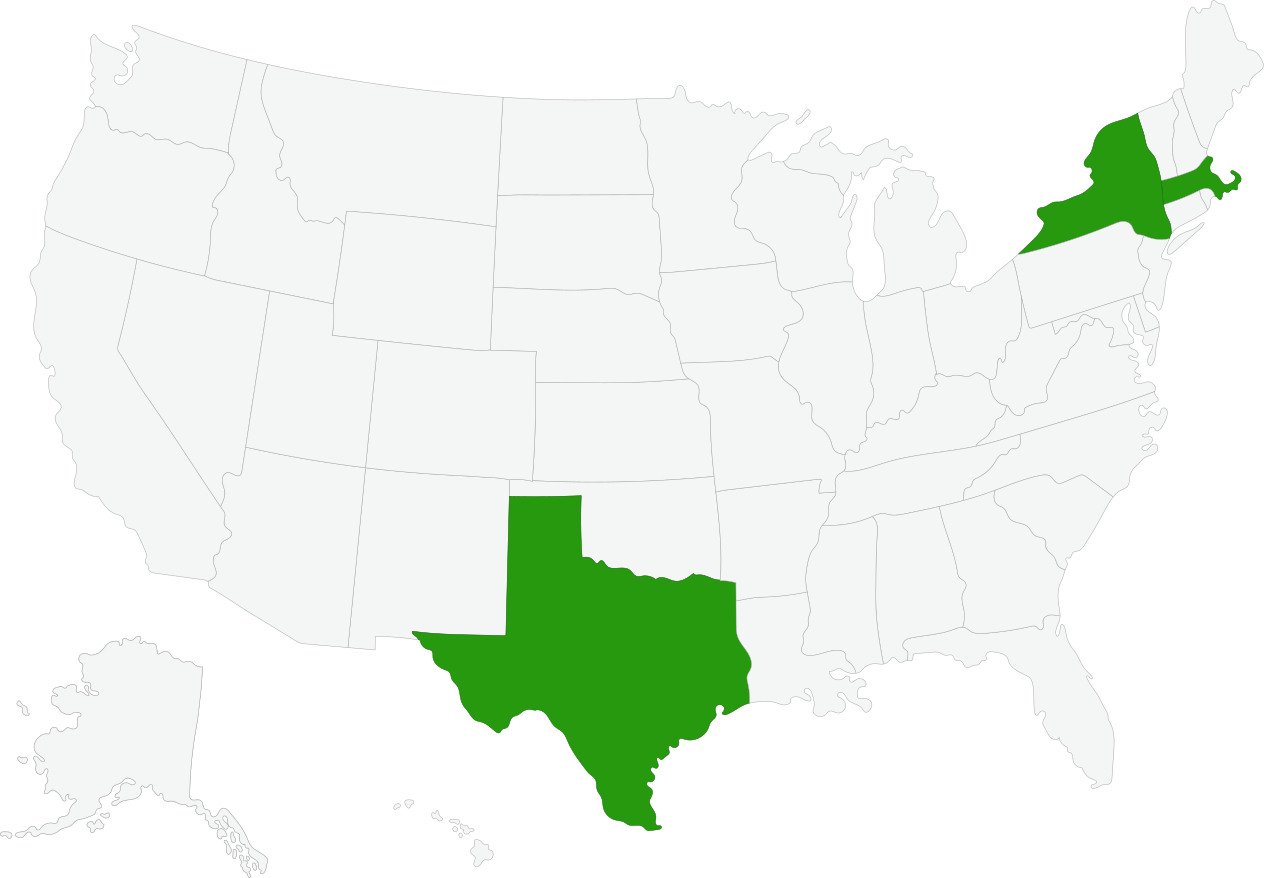
Developing a 250 MW+ pipeline of distributed storage assets across New York, Massachusetts and Texas, focusing on high-congestion nodes and municipal reliability, pairing institutional rigor with agile development to move projects efficiently below market cost benchmarks.
Pipeline
Developing a 250 MW+ pipeline of distributed storage assets across New York, Massachusetts and Texas, focusing on high-congestion nodes and municipal reliability, pairing institutional rigor with agile development to move projects efficiently below market cost benchmarks.
Pipeline
Developing a 250 MW+ pipeline of distributed storage assets across New York, Massachusetts and Texas, focusing on high-congestion nodes and municipal reliability, pairing institutional rigor with agile development to move projects efficiently below market cost benchmarks.
Team
Leadership & Experience
At AIP, experience and execution discipline are central to delivering cost-effective distribution-level grid solutions at scale. Our team is composed of specialists who also act as hands-on developers, enabling us to move projects efficiently and at costs below prevailing market benchmarks. We focus on front-of-the-meter, utility-scale battery storage to address grid reliability and resilience challenges more economically than traditional alternatives.
Our multidisciplinary team combines deep expertise in infrastructure investment, utility operations, and project delivery. By pairing institutional rigor with agile development, we deliver projects that meet the highest standards of safety, reliability, and long-term performance.
Morris Cox
CEO & Founder / Developer
Morris has over a decade of experience leading distributed clean energy development across private equity and industry. At Adaptive, Morris leads corporate strategy, utility engagement, and stakeholder relations, with a particular focus on building partnerships with utilities such as National Grid to identify and structure Non-Wires Alternative (NWA) opportunities. Prior to founding Adaptive, he co-founded BlocPower, where he led the origination and delivery of more than 1,000 distributed energy projects across the U.S., spanning energy efficiency, solar, and small-scale storage. Morris holds a B.A. in Mathematics and Physics from MIT and an MBA from Columbia Business School.

Larcy Cooper
Chief Legal & Commercial Officer / Developer
Larcy is a corporate and infrastructure attorney with deep experience supporting the development, financing, and governance of complex energy and climate-tech projects. She leads legal and commercial strategy at Adaptive across early-stage project development, contracting, and risk allocation. Previously, Larcy led legal and governance functions at BlocPower and co-founded the ESG & Sustainability Advisory Practice at Paul, Weiss, advising private equity firms, asset managers, utilities, and operating companies on governance, disclosure, and sustainability strategy. Larcy holds a J.D. from Columbia Law School and a B.A. in Economics from Smith College.

Abhishek Dash
Engineering Lead / Developer
Abhishek supports project development at Adaptive through system design, techno-economic analysis, procurement support, and coordination with utilities and external partners. Prior to Adaptive, he supported distributed energy and building decarbonization projects at BlocPower, integrating engineering analysis with financial and operational considerations across a multi-market portfolio. Earlier, he worked on enterprise platforms serving cities, municipalities, and utilities advancing clean energy deployment. Abhishek holds a master’s degree in chemical engineering from Columbia University.

Colin Wilson
Siting Lead / Developer
Colin manages project development across siting, community engagement, and permitting, working closely with stakeholders to advance front-end execution and readiness. Prior to joining Adaptive, Colin was a professional athlete, spending 11 seasons in the NHL, where he played for the Nashville Predators and Colorado Avalanche. Following his hockey career, he completed his undergraduate degree at Boston University and pursued further studies at New York University before transitioning into sustainable infrastructure and real estate investing.
Team
Leadership & Experience
At AIP, experience and execution discipline are central to delivering cost-effective distribution-level grid solutions at scale. Our team is composed of specialists who also act as hands-on developers, enabling us to move projects efficiently and at costs below prevailing market benchmarks. We focus on front-of-the-meter, utility-scale battery storage to address grid reliability and resilience challenges more economically than traditional alternatives.
Our multidisciplinary team combines deep expertise in infrastructure investment, utility operations, and project delivery. By pairing institutional rigor with agile development, we deliver projects that meet the highest standards of safety, reliability, and long-term performance.
Morris Cox
CEO & Founder / Developer
Morris has over a decade of experience leading distributed clean energy development across private equity and industry. At Adaptive, Morris leads corporate strategy, utility engagement, and stakeholder relations, with a particular focus on building partnerships with utilities such as National Grid to identify and structure Non-Wires Alternative (NWA) opportunities. Prior to founding Adaptive, he co-founded BlocPower, where he led the origination and delivery of more than 1,000 distributed energy projects across the U.S., spanning energy efficiency, solar, and small-scale storage. Morris holds a B.A. in Mathematics and Physics from MIT and an MBA from Columbia Business School.
Larcy Cooper
Chief Legal & Commercial Officer / Developer
Larcy is a corporate and infrastructure attorney with deep experience supporting the development, financing, and governance of complex energy and climate-tech projects. She leads legal and commercial strategy at Adaptive across early-stage project development, contracting, and risk allocation. Previously, Larcy led legal and governance functions at BlocPower and co-founded the ESG & Sustainability Advisory Practice at Paul, Weiss, advising private equity firms, asset managers, utilities, and operating companies on governance, disclosure, and sustainability strategy. Larcy holds a J.D. from Columbia Law School and a B.A. in Economics from Smith College.
Abhishek Dash
Engineering Lead / Developer
Abhishek supports project development at Adaptive through system design, techno-economic analysis, procurement support, and coordination with utilities and external partners. Prior to Adaptive, he supported distributed energy and building decarbonization projects at BlocPower, integrating engineering analysis with financial and operational considerations across a multi-market portfolio. Earlier, he worked on enterprise platforms serving cities, municipalities, and utilities advancing clean energy deployment. Abhishek holds a master’s degree in chemical engineering from Columbia University.
Colin Wilson
Siting Lead / Developer
Colin manages project development across siting, community engagement, and permitting, working closely with stakeholders to advance front-end execution and readiness. Prior to joining Adaptive, Colin was a professional athlete, spending 11 seasons in the NHL, where he played for the Nashville Predators and Colorado Avalanche. Following his hockey career, he completed his undergraduate degree at Boston University and pursued further studies at New York University before transitioning into sustainable infrastructure and real estate investing.
Team
Leadership & Experience
At AIP, experience and execution discipline are central to delivering cost-effective distribution-level grid solutions at scale. Our team is composed of specialists who also act as hands-on developers, enabling us to move projects efficiently and at costs below prevailing market benchmarks. We focus on front-of-the-meter, utility-scale battery storage to address grid reliability and resilience challenges more economically than traditional alternatives.
Our multidisciplinary team combines deep expertise in infrastructure investment, utility operations, and project delivery. By pairing institutional rigor with agile development, we deliver projects that meet the highest standards of safety, reliability, and long-term performance.
Morris Cox
CEO & Founder / Developer
Morris has over a decade of experience leading distributed clean energy development across private equity and industry. At Adaptive, Morris leads corporate strategy, utility engagement, and stakeholder relations, with a particular focus on building partnerships with utilities such as National Grid to identify and structure Non-Wires Alternative (NWA) opportunities. Prior to founding Adaptive, he co-founded BlocPower, where he led the origination and delivery of more than 1,000 distributed energy projects across the U.S., spanning energy efficiency, solar, and small-scale storage. Morris holds a B.A. in Mathematics and Physics from MIT and an MBA from Columbia Business School.
Larcy Cooper
Chief Legal & Commercial Officer / Developer
Larcy is a corporate and infrastructure attorney with deep experience supporting the development, financing, and governance of complex energy and climate-tech projects. She leads legal and commercial strategy at Adaptive across early-stage project development, contracting, and risk allocation. Previously, Larcy led legal and governance functions at BlocPower and co-founded the ESG & Sustainability Advisory Practice at Paul, Weiss, advising private equity firms, asset managers, utilities, and operating companies on governance, disclosure, and sustainability strategy. Larcy holds a J.D. from Columbia Law School and a B.A. in Economics from Smith College.
Abhishek Dash
Engineering Lead / Developer
Abhishek supports project development at Adaptive through system design, techno-economic analysis, procurement support, and coordination with utilities and external partners. Prior to Adaptive, he supported distributed energy and building decarbonization projects at BlocPower, integrating engineering analysis with financial and operational considerations across a multi-market portfolio. Earlier, he worked on enterprise platforms serving cities, municipalities, and utilities advancing clean energy deployment. Abhishek holds a master’s degree in chemical engineering from Columbia University.
Colin Wilson
Siting Lead / Developer
Colin manages project development across siting, community engagement, and permitting, working closely with stakeholders to advance front-end execution and readiness. Prior to joining Adaptive, Colin was a professional athlete, spending 11 seasons in the NHL, where he played for the Nashville Predators and Colorado Avalanche. Following his hockey career, he completed his undergraduate degree at Boston University and pursued further studies at New York University before transitioning into sustainable infrastructure and real estate investing.
Partner with us on the next generation of grid infrastructure
Partner with us on the next generation of grid infrastructure
Partner with us on the next generation of grid infrastructure